
Expert Tribology Consultancy
Loading...
Loading...
Classify an insulating liquid against the table that governs it — the in-service condition bands, or an acceptance table for unused fluid. Keyed on fluid, standard, lifecycle state, rated voltage and equipment type. Every limit cites its table and page.
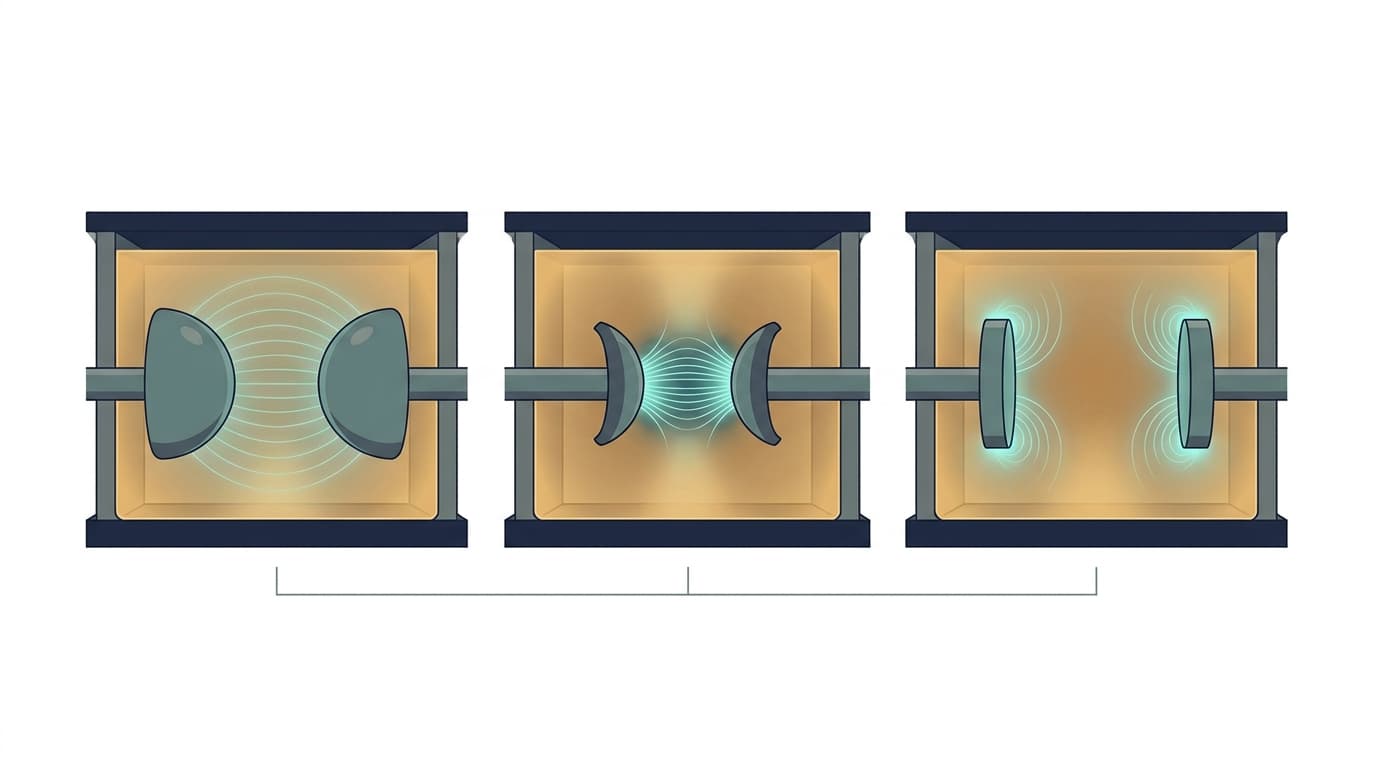
The same transformer oil gives systematically different kV depending on the test method and electrode geometry. That is why limit tables are method-specific, and why a BDV number with no method and electrode gap cannot be interpreted.
Read the article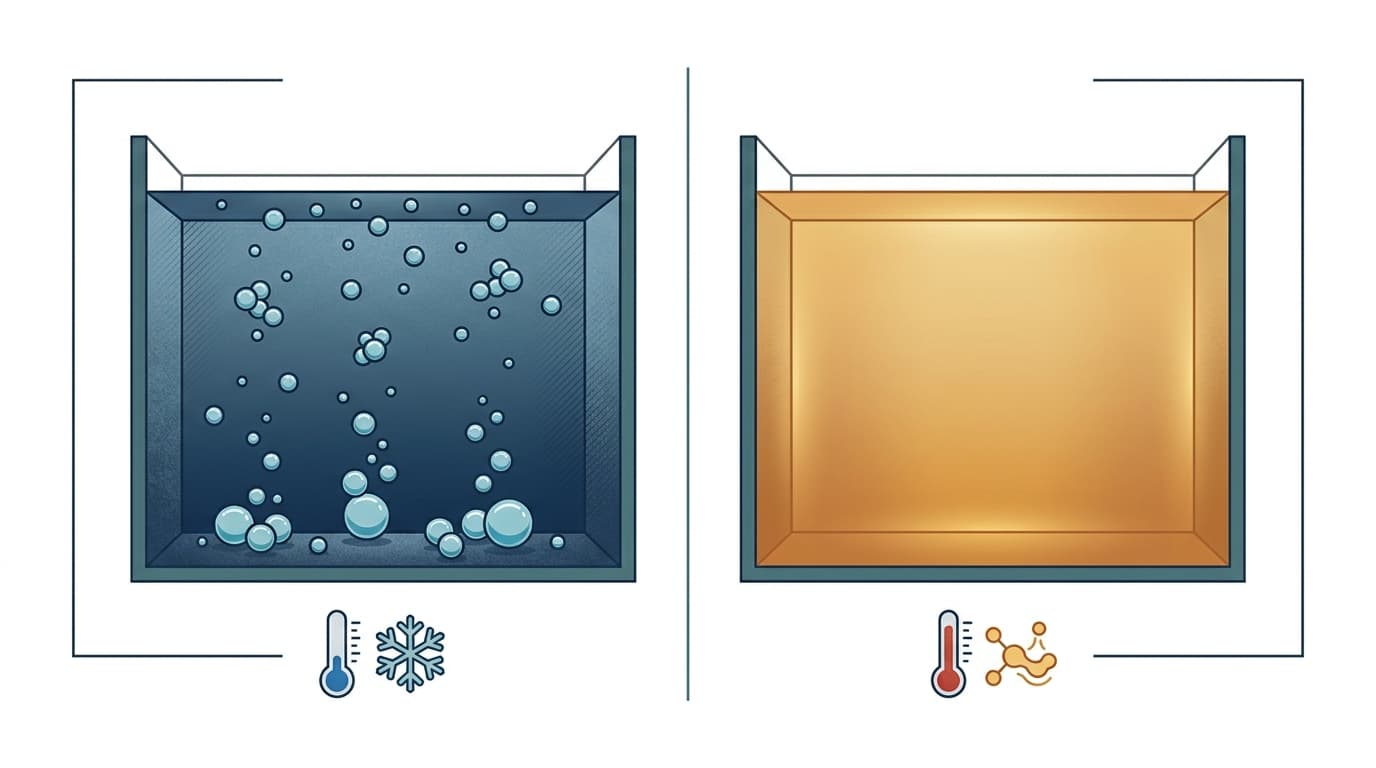
ppm water is ambiguous across temperature and fluid type. Relative saturation (%RS) is the unit that tracks dielectric risk — and the one that lets a mixed mineral/ester fleet be ranked on a single scale.
Read the article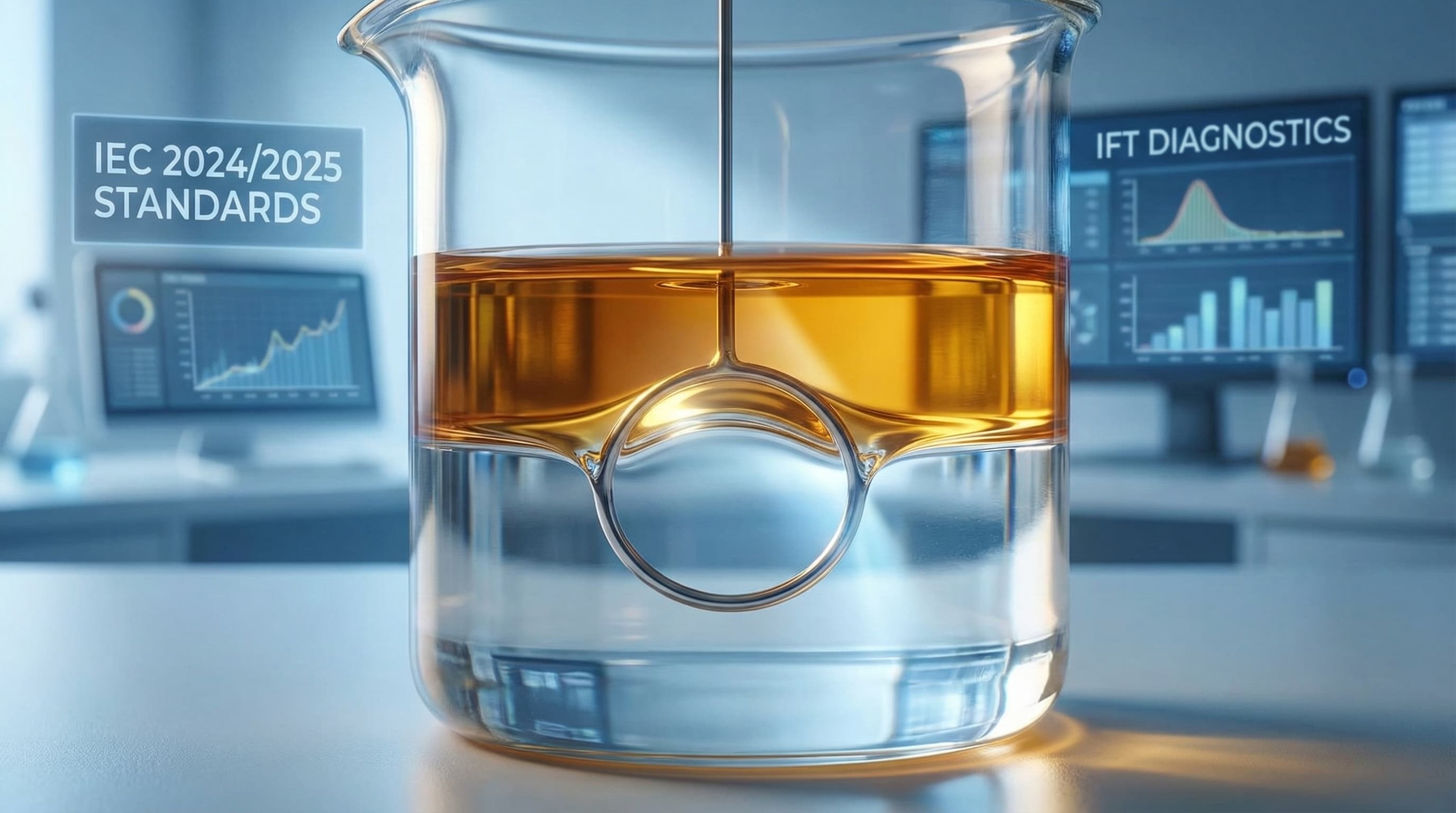
Why IFT deserves routine status — and what the 2024/2025 IEC updates change for mineral oil, ester, and GTL diagnostics. A deep technical guide covering measurement methods, standards evolution, and practical maintenance implications.
Read the article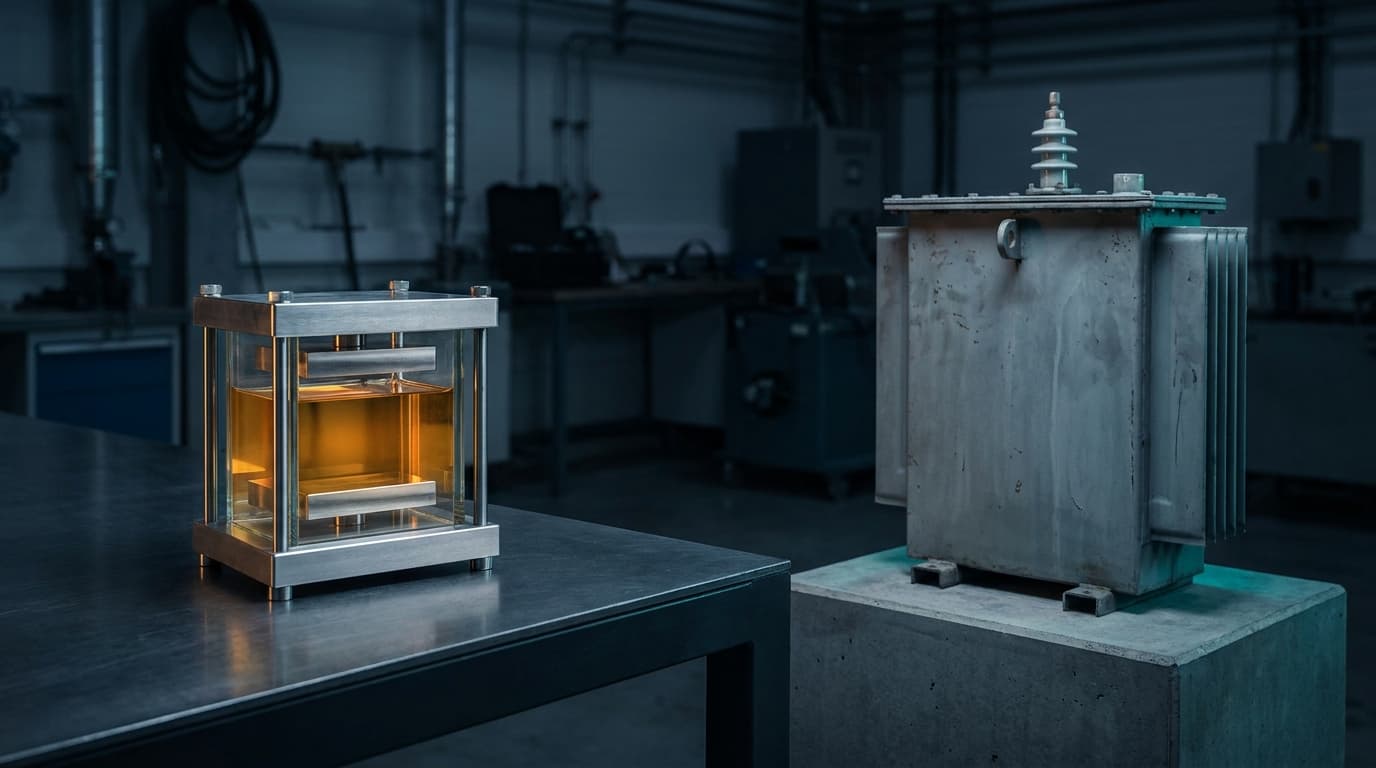
An oil sample's dissipation factor (DDF/tan δ) is measured at 90 °C on a liquid specimen; the field tan delta is measured at 20 °C on the whole installed insulation. Two specimens, two questions — and no conversion between them.
Read the article
Insulating-fluid standards publish limits for three lifecycle states, not one. Quote a delivery spec at service oil and the verdict can flip either way.
Read the article