
Audio player docked to bottom
Listen to this article
Executive Summary
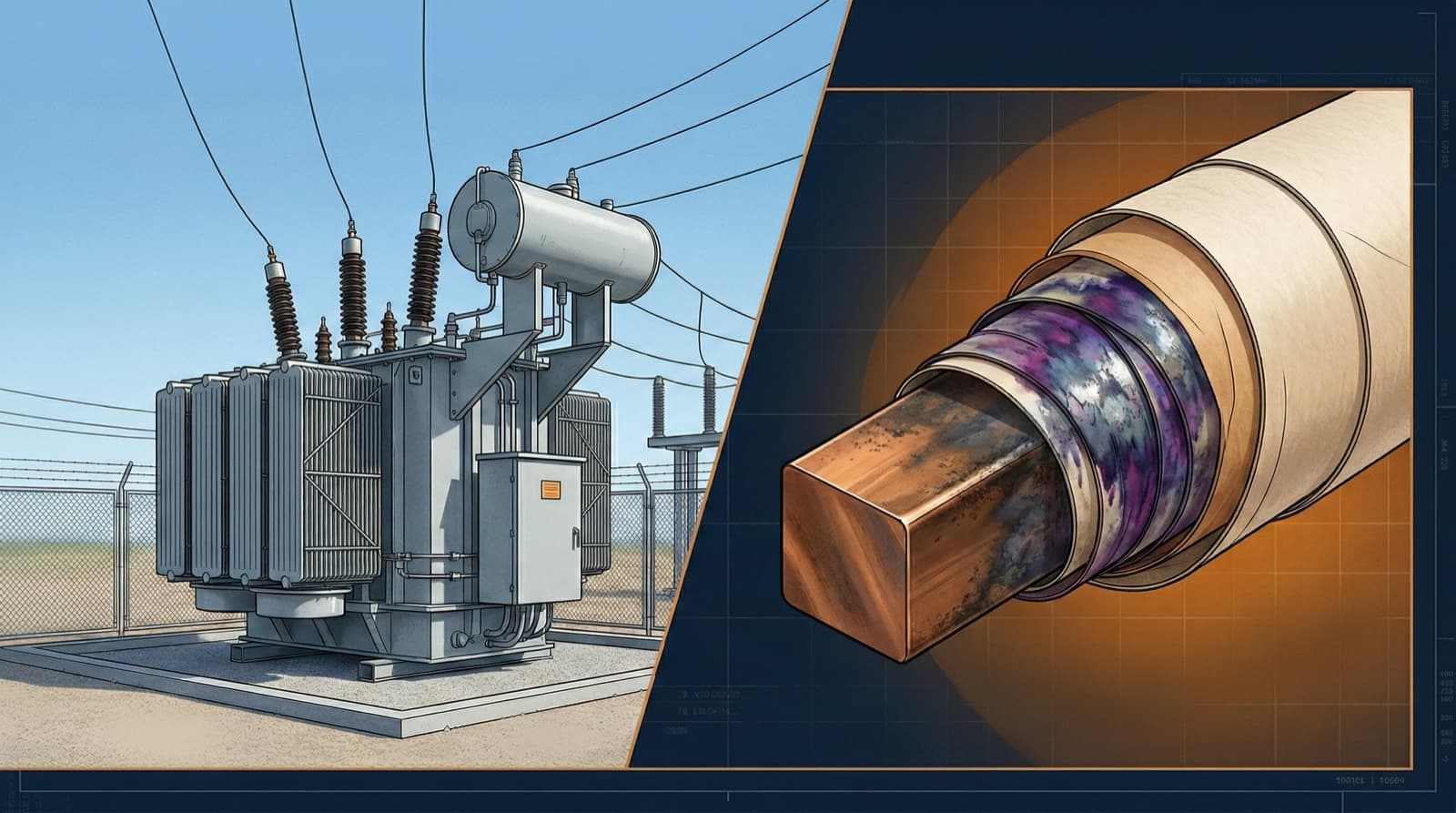
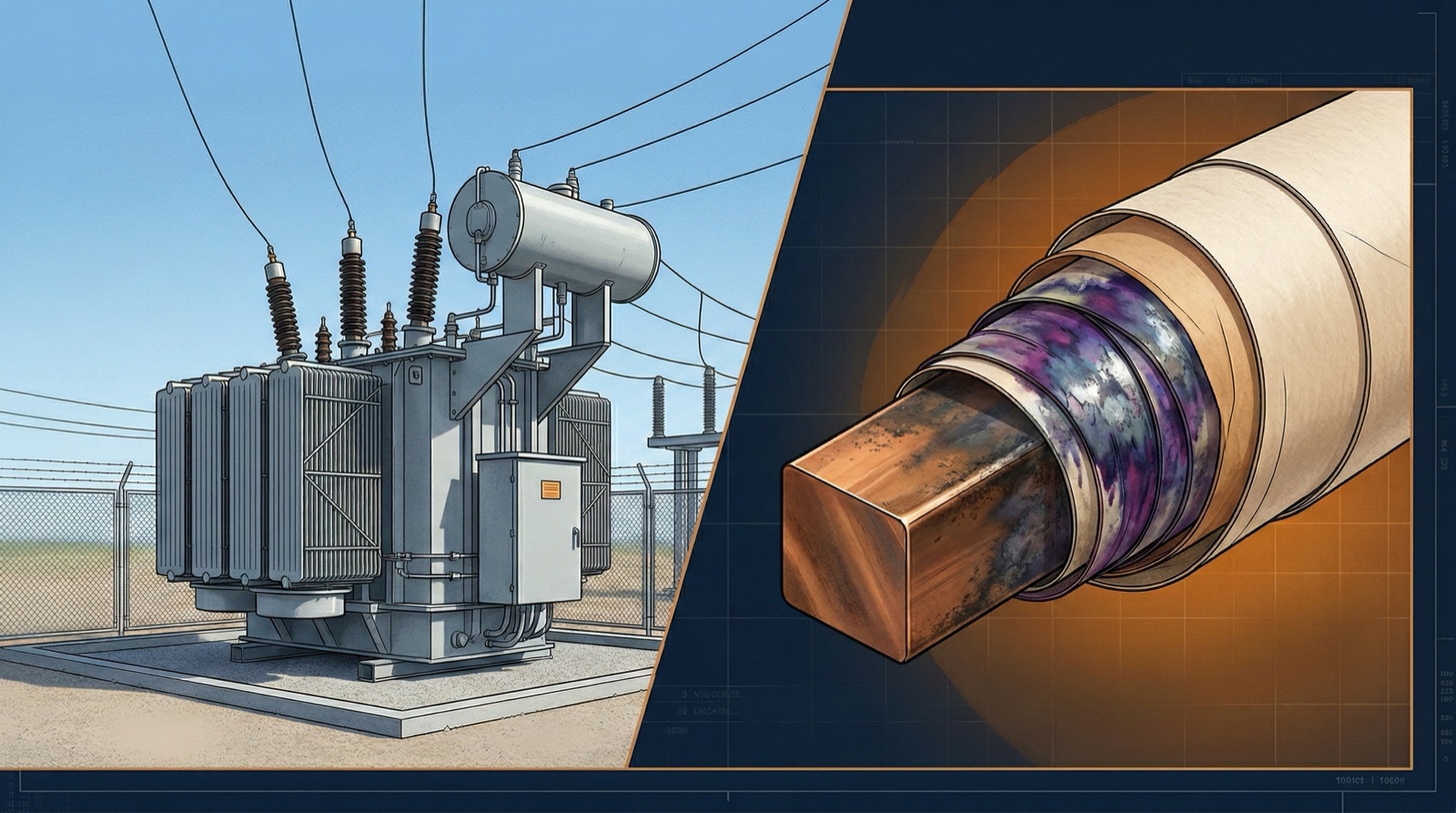
Since around 2000, the global power industry has experienced a wave of transformer failures caused by copper sulphide deposition. CIGRE WG A2.32 estimated the number of failure cases since 2000 to be in the region of 100, not counting transformers too small for any failure investigation (CIGRE TB 378:2009, Cl. 1, p. 3). Most were shunt reactors, generator step-up transformers and HVDC converter transformers.
The root cause was not equipment defect or operational negligence. It was a chemistry problem: dibenzyl disulfide (DBDS), a sulfur compound widely added to mineral insulating oils as an antioxidant between 1989 and 2006 (IEC 60422:2024, 7.19.4), was silently destroying paper insulation from the inside out. Most alarmingly, conventional Dissolved Gas Analysis (DGA) — the industry's primary diagnostic tool — rarely gave warning: most failures were sudden, without prior warning from DGA (CIGRE TB 625:2015, Cl. 3, p. 18).
This whitepaper provides a practical, practitioner-oriented guide to the corrosive sulfur phenomenon: what happened, why it happened, how to detect it, and — most importantly — what asset managers should do about it today. We present a pragmatic, tiered approach to testing and mitigation designed for the real-world constraints of limited budgets, competing priorities, and aging transformer fleets.
1. The Crisis: What Happened and Why
For decades prior to the year 2000, the prevailing wisdom in the power industry held that corrosive sulfur was an obsolete problem — a relic of poorly refined oils that had been solved by modern processing technology. Utilities purchased premium transformer oils from reputable major suppliers with full confidence that sulfur-related corrosion was not a concern. That confidence was misplaced.
The Three Converging Factors
The crisis was not caused by a single event but by the unfortunate convergence of three independent industry trends between about 1989 and the mid-2000s:
The hydrotreatment shift. Refineries adopted severe hydrotreatment processes. These were highly effective at reducing total sulfur content: average total sulphur fell from roughly 3,000 mg/kg in oils of the 1960s–1980s to a few hundred mg/kg by the early 2000s, with a step-like reduction between 1993 and 1998 (Scatiggio et al. 2009, Fig. 1 and Sec. I, p. 1240). However, the process also removed naturally occurring sulphur compounds, some of which act as natural oxidation inhibitors (IEC 60296:2020, 6.10).
The DBDS introduction. To compensate for the loss of natural oxidation stability, oil formulators introduced synthetic additives. Among these was dibenzyl disulfide (DBDS), a compound long used as an extreme-pressure additive in gear lubricants and metal-working fluids (CIGRE TB 625:2015, §2.1, p. 5). DBDS was added to transformer oil formulations at concentrations typically in the range 100–200 mg/kg, with the 14 unused oils examined in the foundational study showing values between 100 and 350 mg/kg (Scatiggio et al. 2009, §II, p. 1241; CIGRE TB 625, §2.1, p. 6).
Transformer design evolution. Modern power transformers were increasingly designed to operate closer to thermal limits, with higher hot-spot temperatures and reduced cooling oil volumes, and highly stressed equipment was increasingly of sealed design, which CIGRE WG A2.32 noted may statistically increase the occurrence of corrosive-sulphur faults (CIGRE TB 378:2009, §2.3, p. 14).
The Breakthrough Discovery
The identification of DBDS was reported by an Italian group (Terna and Sea Marconi) from 2006 onwards, and consolidated in Scatiggio, Tumiatti, Maina, Tumiatti, Pompili and Bartnikas (2009) (IEEE Transactions on Power Delivery, 24(3), pp. 1240–1248). Using GC-AED (gas chromatography with atomic emission detection), the authors identified dibenzyl disulfide (DBDS) as the predominant sulphur compound in unused oils, added as an antioxidant rather than left over from refining (Scatiggio et al. 2009, Sec. II, p. 1241). The paper further reported that approximately 50 % of the power transformers installed since 1990 had been found to test positive for corrosive sulphur (Scatiggio et al. 2009, Sec. I, p. 1240) — a prevalence figure that set the scale of the fleet-wide exposure.
The finding shifted the industry's understanding of the problem. Total sulphur content does not predict corrosivity — what matters is which sulphur species are present, and DBDS at the concentrations found in affected oils is a small fraction of total sulphur (Scatiggio et al. 2009, Sec. II, p. 1241; CIGRE TB 625:2015, §2.2.4, p. 11). The finding fed into the IEC TC 10 work that produced IEC 62697-1 (quantitative DBDS determination) and into the work of CIGRE WG A2.32/A2.40.
Historical Overview
| Era | Industry Assumption | Diagnostic Focus | Actual Outcome |
|---|---|---|---|
| 1950s | Elemental sulfur causes rapid copper blackening | Visual inspection; early copper-strip tests (ASTM D1275, first approved 1953) | Problem deemed "solved" with basic refining controls |
| 1950s–1980s | Corrosive sulfur indicates cheap oil | ASTM D1275A (140°C / 19h) | High confidence in premium oils; few failures attributed to corrosive sulphur |
| 1989–2006 | Hydrotreating produces cleaner, better oil | Total sulfur measurement; routine DGA | Naturally occurring sulfur compounds removed; DBDS widely added as an antioxidant |
| c. 2000–2005 | Sudden unexplained catastrophic EHV failures worldwide | DGA rarely gives warning; oils pass D1275A | "Corrosive sulphur" failures recognised |
| 2005–2009 | DBDS identified; speciation-based assessment adopted | Maina et al. 2006; Scatiggio et al. 2008–2009; IEC 62535 (2008); CIGRE TB 378 (2009) | Foundational diagnostic chemistry |
| 2009–present | DBDS excluded from unused oil (IEC 60296:2020: not detectable); mitigation of legacy fleet | IEC 62697-1 (2012) quantification; CIGRE TB 625 (2015) risk framework | Active monitoring and DBDS-removal programmes |
Table 1: Historical evolution of the corrosive sulfur problem — from assumed obsolescence to global crisis to modern speciation-based management. Sources: Scatiggio et al. 2009, CIGRE TB 378 (2009), CIGRE TB 625 (2015), IEC 60422:2024, IEC 60296:2020, ASTM D1275-24.
2. The Chemistry: Why Some Sulfur Destroys Transformers and Some Does Not
Mineral insulating oil is a complex hydrocarbon matrix containing a variety of sulfur compounds from both the crude oil source and any additives. The critical insight of the post-crisis research — documented in Scatiggio et al. 2009 and CIGRE TB 625 — is that corrosive potential depends on which sulfur species are present, and on their concentration, rather than on total sulfur.
| Reactivity (CIGRE TB 625 ranking) | Species | IEC 60422 classification |
|---|---|---|
| 1 — Highest | Elemental sulfur | Corrosive |
| 2 | Disulfides, including DBDS | Potentially corrosive |
| 3 | Mercaptans (thiols); oxidised sulfur compounds (sulfoxides, sulfones) | Mercaptans: corrosive |
| 4 — Lowest | Monosulfides; thiophenes | Sulfides: potentially corrosive (rarely) |
Table 2: Sulfur species in transformer oil ranked by reactivity (CIGRE TB 625:2015, §2.2.4, p. 11), with the corrosive / potentially corrosive split of IEC 60422:2024, 7.19.1. Hydrotreatment lowered total sulphur; DBDS was then added as an antioxidant (IEC 60422:2024, 7.19.4).
How DBDS Destroys Insulation: Two Parallel Pathways
DBDS does not attack copper at ambient temperatures. The reaction is thermally triggered, with an onset temperature for disulphides, including DBDS, from 80 °C (CIGRE TB 625:2015, §2.2.4, p. 11); cleavage of the C–S and S–S bonds yields the mercaptans that form copper sulphide. The reaction rate approximately doubles with every 10°C increase (CIGRE TB 625:2015, §2.2.1, p. 6). Two simultaneous pathways drive the damage:
Direct pathway on bare copper. In low-oxygen conditions DBDS decomposes on the copper surface to dibenzyl sulphide and toluene; further reaction with copper yields benzyl mercaptan and copper sulphide (Cu₂S) on the conductor (CIGRE TB 625:2015, §2.4, p. 15).
Paper pathway. Copper dissolves into the oil as oxygenated copper compounds (copper hydroperoxides and copper–carboxylate salts). These diffuse to and are absorbed by the paper, where they react with sulphur compounds, notably mercaptans from DBDS, also absorbed by the paper, forming copper sulphide inside the paper layers (CIGRE TB 625:2015, §2.3 and Summary on mechanism, pp. 12–17). An earlier model with an oil-soluble copper–DBDS complex (CIGRE TB 378:2009) is considered unlikely by TB 625.
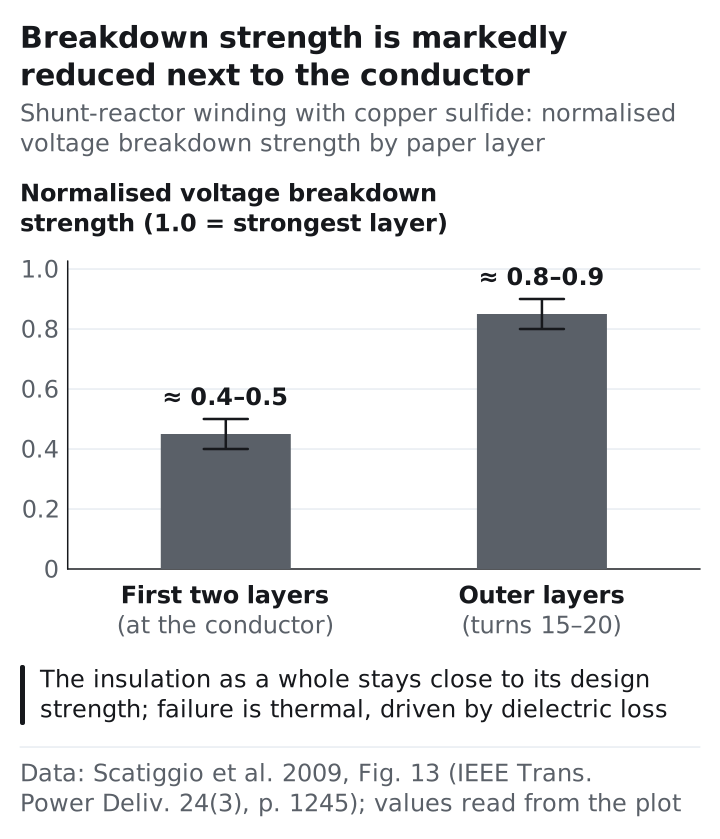
It is the second pathway that ultimately causes failure. The innermost paper layer — directly adjacent to the hot conductor — absorbs the highest concentration of copper sulfide. Scatiggio et al. 2009 (Fig. 13, p. 1245) report the normalised voltage breakdown strength as a function of paper-layer position: the outer layers show only marginally diminished strength, while the first two paper layers fall to roughly 0.4–0.5 of the highest normalised value. The same paper quantifies the underlying dielectric degradation directly (Table III, p. 1245): at room temperature, in heavily copper-sulphide-contaminated paper the dissipation factor (tan δ) rises from ~0.003 to greater than 1, and the volume resistivity collapses by about eight orders of magnitude (from ~5·10¹² to ~5·10⁴ Ω·m). It is this loss of insulation resistance and surge in dielectric loss — not a loss of mechanical strength — that drives the thermal-runaway failure.
In-service DBDS depletion. Scatiggio et al. 2009 monitored DBDS concentration in three shunt reactors over 18 months of full-load service and observed a 20–25% decrease in DBDS (Scatiggio et al. 2009, Fig. 5, p. 1241) — consistent with DBDS consumption by reaction with copper, although CIGRE TB 625 cautions that DBDS depletion is not a precise or reliable diagnostic for copper-sulphide formation (§2.4, p. 15).
The Diagnostic Blind Spots
Two characteristics make corrosive sulfur uniquely dangerous for asset managers relying on conventional condition monitoring:
DGA rarely provides warning. Copper-sulphide deposition does not by itself produce a characteristic fault-gas signature. Samples taken as little as one day before catastrophic failure have shown no abnormal DGA signatures (CIGRE TB 378:2009, §3.1.2, p. 15). TB 378 nevertheless recommends regular DGA, since high CO and CO₂ can reveal the higher temperatures that promote deposition.
The paper can look mechanically sound. Copper sulfide deposition is not an acidic or hydrolytic degradation mechanism. Even where the paper layers next to the conductor have lost their dielectric performance (tan δ > 1, volume resistivity down ~8 orders of magnitude — Scatiggio Table III, p. 1245), the DP of the paper remained high: about 975–1015 at the top (hottest) positions against about 1170–1200 lower in the winding (Scatiggio Fig. 18, p. 1247). This is a moderate but appreciable reduction that follows the thermal profile, not a signature of the imminent dielectric failure. This means that neither DP testing nor furan analysis will detect an imminent corrosive sulfur failure. The paper can look healthy by conventional mechanical measures while its dielectric losses have risen to the point of thermal instability.
Environmental Factors That Accelerate the Problem
Oxygen does not behave monotonically — there is an optimum window. CIGRE TB 625 §2.2.2 (pp. 6–7) documents two separate oxygen regimes. The reaction that deposits copper sulfide on paper is maximised at an optimum range of a few thousand ppm dissolved O₂ — not at the extremes. Separately, increasing gas-phase oxygen above the oil from 2.5 % to 20 % promotes copper sulphide deposition on the paper, especially in inhibited oils. The implication for asset management is therefore more subtle than "sealed systems are always worse": the risk depends on which mechanism dominates in a given unit, and on the interaction between dissolved O₂, passivator status, and inhibitor reserve.
Oil aging accelerates the process. As mineral oil ages, it generates carboxylic acids and hydroperoxides that accelerate copper dissolution into the oil as copper hydroperoxides and carboxylate salts, the carriers of copper into the paper (CIGRE TB 625:2015, §2.3, p. 12).
3. Detection and Testing: Getting the Right Answer
The corrosive sulfur crisis exposed severe inadequacies in the industry's historical testing methodologies. In response, the international standards community developed a significantly more robust set of diagnostic tools. Understanding the strengths and limitations of each is critical for designing a cost-effective screening programme.
| Method | What It Measures | Key Strength | Critical Limitation |
|---|---|---|---|
| ASTM D1275A | General corrosivity (140°C / 19h) | Historical baseline data | Removed in the 2015 revision (ASTM D1275-15/-24 retain only the 48 h / 150 °C conditions). Test conditions too mild to trigger DBDS breakdown; produced false negatives |
| ASTM D1275 (since 2015; formerly Method B) | General corrosivity (150°C / 48h) | Successfully triggers latent DBDS degradation. D1275-24 also contains a silver-strip procedure (§6.2) | Bare copper strip only; cannot detect paper contamination. Susceptible to passivator masking |
| IEC 62535 (paper-wrapped copper conductor test, often called CCD) | Copper and paper corrosivity (150°C / 72h) | Paper-wrapped conductor replicates actual in-service failure mechanism. Responds to corrosive and potentially corrosive sulphur, and is especially reliable for the latter; silver corrosivity needs DIN 51353 (IEC 60422:2024, 7.19.1) | Susceptible to passivator masking if oil has been treated with Irgamet 39 or similar |
| DIN 51353 | Silver corrosivity (silver strip) | Highly sensitive to trace elemental sulfur and mercaptans threatening OLTC contacts | Silver corrosion assessment only; insensitive to DBDS (IEC 60422:2024, 7.19.1). Does not reflect risk to bulk copper windings |
| IEC 62697-1 | Absolute DBDS concentration (mg/kg) by gas chromatography with a sulphur-selective or mass-spectrometric detector (IEC 62697-1:2012, 5.1) | Unambiguous quantification; not subject to the passivator masking that affects the qualitative tests. Provides trendable numeric values | Only measures DBDS; does not detect non-DBDS corrosive species (mercaptans, elemental sulfur, oxidised sulfides) |
| FDS / PF Tip-Up | Dielectric loss (electrical test on the transformer) | Can indicate Cu₂S deposits in major insulation | Cannot see deposits between turns; hard to separate from moisture and ageing; insensitive until contamination is severe (CIGRE TB 378 §3.2; TB 625 p. 47). Requires taking the asset offline for electrical testing |
Table 3: Comparison of corrosive sulfur analytical methods. No single test covers all scenarios — effective risk management requires understanding which test answers which question. Sources: Scatiggio et al. 2009, ASTM D1275-24, IEC 62535 (2008), IEC 62697-1 (2012), IEC 60422:2024, CIGRE TB 378 (2009), CIGRE TB 625 (2015).
The Passivator Masking Effect: A Key Consideration
The qualitative IEC 62535 test has a diagnostic vulnerability that practitioners must understand. If a corrosive oil has been treated with a metal passivator such as Irgamet 39, the passivator coats the paper-wrapped copper conductor and artificially inhibits sulfide formation during the laboratory test. The oil passes with a pristine visual rating, even though the underlying DBDS may still be present at dangerous concentrations (IEC 60296:2020, B.3.1).
This does not mean the passivator approach is ineffective in practice (see Section 5 below), but it does mean that a clean qualitative test result is diagnostically ambiguous if the passivator status of the oil is unknown. Quantitative DBDS measurement by IEC 62697-1 (gas chromatography; ECD, AED, MS and MS/MS detectors are all permitted) is not affected by the masking. The alternative is to remove the passivator before an IEC 62535 test (IEC 60296:2020, B.3; referenced by IEC 60422:2024, 7.19.1).
Why Total-Sulfur Screening Is Not a Substitute
Total elemental sulfur content in insulating oil can be determined rapidly and inexpensively by energy-dispersive X-ray fluorescence (ED-XRF, ASTM D4294-24) or by wavelength-dispersive XRF (ASTM D2622 / ISO 14596). This is useful for certificate-of-analysis purposes and is embedded in the IEC 60296:2020 limit of 0.05 % total sulphur for Type A (fully inhibited, high-grade) oils (Table 3), measured by ISO 14596 or ISO 8754.
⚠️ Warning
Total-sulfur screening is not a corrosive-sulfur screening. D4294 measures elemental sulfur across all chemical forms — stable thiophenes, sulfides, and the aggressive species (DBDS, mercaptans) indistinguishably. A passivated or severely hydrotreated oil can sit well below the IEC 60296 0.05 % limit and still historically have contained — or still contain — sufficient DBDS to precipitate copper sulphide under thermal load. The DBDS levels found in affected oils (100–350 mg/kg) amount to less than 0.01 % sulphur.
Corrosive-sulfur assessment requires either the paper-wrapped copper conductor test (IEC 62535, often called CCD) or, preferably for passivated oils, quantitative DBDS measurement (IEC 62697-1). Total-sulfur belongs on the certificate-of-analysis line, not in the risk assessment.
4. Risk Assessment: Which Transformers Should You Worry About?
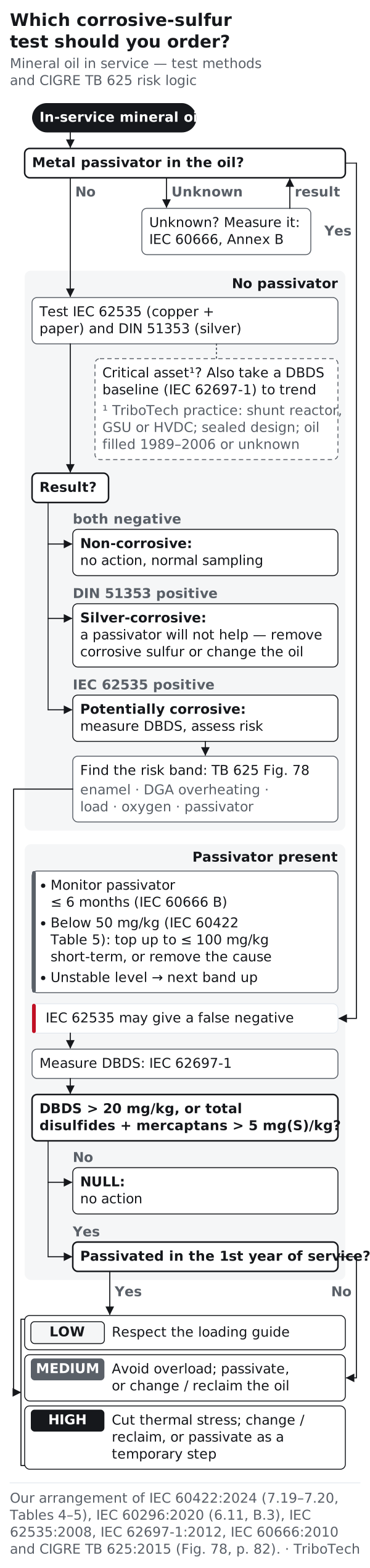
For utilities managing large fleets, blanket testing of every asset is rarely feasible. The CIGRE Technical Brochure 625 (2015) provides a framework for risk-based prioritisation, classifying transformers by oil test results, conductor design, DGA indications of overheating, loading, oxygen regime and passivation status (Fig. 78, p. 82).
High-Risk Equipment Profiles
The profiles below are TriboTech's prioritisation for screening, not CIGRE TB 625's own classification.
- Oil filled between 1989 and 2006, or of unknown fill history. This is the period in which DBDS was widely added to mineral oils (IEC 60422:2024, 7.19.4); Scatiggio et al. found about half of the power transformers installed since 1990 testing positive.
- High thermal duty assets. Generator Step-Up (GSU) transformers, HVDC converters, and large shunt reactors operate with inherently higher continuous hot-spot temperatures. Because disulphides, including DBDS, react from 80 °C onward (CIGRE TB 625:2015, §2.2.4, p. 11), units with sustained high hot-spot temperatures warrant priority screening.
- Sealed / nitrogen-blanketed designs. At normal operating temperatures, low oxygen favours copper-sulphide formation. At overload temperatures, high oxygen favours deposition in the paper. Failures have occurred in both sealed and free-breathing units (CIGRE TB 625:2015, §2.2.2, p. 7; Ch. 6, p. 84).
- Bare copper conductors. Units utilising enamel-coated or varnished wire have a physical barrier that significantly retards sulfur adsorption, though not a guarantee (joints and leads remain exposed).
The CIGRE TB 625 Risk Framework: Probability of Copper Sulphide Deposition
| Risk Level | When It Applies | Recommended Action |
|---|---|---|
| NULL (green) | Oil not found potentially corrosive per IEC 62535, and either no metal passivator is present, or passivator is present and DBDS ≤ 20 mg/kg and total disulfides + mercaptans ≤ 5 mg(S)/kg. | No action. |
| LOW (yellow) | Corrosive oil, conductors not fully enamelled, no DGA sign of overheating, and the unit not highly loaded. Also LOW: a highly loaded unit with normal oxygen content that was passivated during its first year of service; a unit with DGA signs of overheating, or highly loaded with low oxygen content, that was passivated as new; and oil not found potentially corrosive per IEC 62535 but passivated, with DBDS > 20 mg/kg or total disulfides + mercaptans > 5 mg(S)/kg, where passivation was done during the first year of service. | 1) Respect the loading guide. 2) If a metal passivator has been added, keep monitoring passivator concentration. |
| MEDIUM (orange) | Corrosive oil in a highly loaded unit with normal oxygen content that is not passivated, or was passivated after its first year of service; a unit with DGA signs of overheating, or highly loaded with low oxygen content, that was passivated during its first year of service; and oil not found potentially corrosive per IEC 62535 but passivated, with DBDS > 20 mg/kg or total disulfides + mercaptans > 5 mg(S)/kg, where passivation came after the first year. Also reached from LOW when the passivator concentration is not stable in time. | 1) Avoid overloading. 2) Add a metal passivator if not already done, or change / reclaim the oil. 3) Keep monitoring passivator concentration if present. |
| HIGH (red) | Corrosive oil in a unit with DGA signs of local or diffused overheating, or highly loaded with low oxygen content, that is not passivated or was passivated after its first year of service. Also reached from MEDIUM when the passivator concentration is not stable in time. | 1) Reduce thermal stress (decrease loading and/or improve cooling). 2) Change / reclaim the oil, or passivate as a temporary action if not already done. 3) Keep monitoring passivator concentration if present. |
Table 4: CIGRE TB 625's copper-sulphide condition-assessment framework (CIGRE TB 625:2015, Figure 78, p. 82). A flow chart works from "Is the oil corrosive per IEC 62535?" through conductor enamelling, DGA symptoms of local/diffused overheating, loading and thermal range, oxygen content, and passivation status to one of four outcomes for the probability of copper sulphide deposition. For units whose oil is not found potentially corrosive by IEC 62535 but which contain metal passivator (so that the test may be masked), the chart's chemical decision node is DBDS > 20 mg/kg or total disulfides + mercaptans > 5 mg(S)/kg. Fully enamelled (CTC) conductors lower the risk but do not make it null (TB 625 Fig. 78, Note 2). Per TB 625 Note 4, action 1 in the LOW/MEDIUM/HIGH levels is a universal recommendation in addition to the other listed actions, and is of particular importance for the HIGH level until the other mitigation actions are applied.
Intervention Thresholds
The current IEC 60422:2024 in-service maintenance standard reports the binary "Non-corrosive and not potentially corrosive" / "Corrosive or potentially corrosive" classification (IEC 60422:2024, Table 5, p. 39) — a category that requires both corrosivity tests to give a negative result (IEC 60422:2024, 7.19.1). The 10 mg/kg DBDS figure originates in the CIGRE risk-management framework: after a first passivator addition, a second addition is recommended unless total disulphides have fallen below 5 mg/kg or DBDS below 10 mg/kg; if, after the second addition, the passivator depletes rapidly (IEC 60422 "Poor" passivator condition) while DBDS remains above 10 mg/kg, TB 625 recommends removal of corrosive sulphur or an oil change (CIGRE TB 625:2015, §4.4, p. 81). For new oils, IEC 60296:2020 requires DBDS to be below detection (< 5 mg/kg) when tested per IEC 62697-1.
5. Mitigation: What Are the Options?
When a transformer is identified as at risk, the operator faces a decision between several mitigation strategies. Each involves distinct trade-offs between cost, downtime, and long-term effectiveness.
Metal Passivation with Irgamet 39 (The Most Common First Response)
Per the CIGRE WG A2.40 survey of >1200 mitigation cases from 16 countries (CIGRE TB 625, §4.1.1, p. 49, Figure 53), metal-passivator addition was the initial intervention in 88% of cases (including 5% re-passivation), with oil change in 5%, oil reclamation/treatment in 4%, and other techniques or mixed actions in the remaining 5%. The standard passivator is Irgamet 39 (N-bis(2-ethylhexyl)-aminomethyl-tolutriazole, TTAA), an oil-soluble compound that rapidly coordinates with copper ions on the metal surface to form a monomolecular protective layer around 2 nm thick (CIGRE TB 625:2015, §4.1.2, p. 50).
Why passivation works and remains valid. Irgamet 39 physically isolates the copper surface from attacking mercaptans, free radicals, and organic acids. When properly applied at 100 mg/kg initial concentration and maintained above the 50 mg/kg minimum effective threshold, it suppresses new copper-sulphide formation in the large majority of cases, but around twenty failures after passivator addition were reported to CIGRE, most probably because the passivator was added after deposits had already formed (CIGRE TB 625:2015, §4.1.3, p. 50; §4.3.4, p. 79). For asset managers who need an immediate, cost-effective response to a confirmed corrosive sulfur condition, passivation delivers effective protection in most cases.
The ongoing commitment. Passivation does not neutralise or remove the DBDS itself — the chemical threat remains latent in the oil. The passivator is continuously consumed by thermal degradation, oxidation, and adsorption into the cellulose paper. This means that passivation creates a permanent monitoring requirement: Irgamet 39 concentration must be measured at intervals of six months or less, depending on the rate of decrease and the absolute value (IEC 60422:2024, Table 4, p. 31), by the method of IEC 60666:2010, Annex B. If it drops below 50 mg/kg, the passivator is topped up (to no more than 100 mg/kg) as a short-term measure, or the source of corrosivity is removed. Documented failures have occurred in reactors where the passivator was added late, after copper sulphide had already deposited (CIGRE TB 625:2015, §4.1.3, p. 51).
DGA Interpretation After Passivation
⚠️ Warning
Stray gas effect: Irgamet 39 undergoes thermal decomposition on the hot copper surface, generating stray gas, mainly hydrogen and less frequently carbon oxides (CO and CO₂). The link to passivator dose is not straightforward in practice (CIGRE TB 625:2015, §4.1.4, p. 59). In 63 % of the stray-gassing cases in the CIGRE survey the hydrogen levelled off after one to two years (§4.1.3, p. 50). For a diagnostician, this can trigger false-positive alarms for partial discharge (low CH₄/H₂ ratio < 0.1; IEC 60599:2022, Table 1) or cellulose degradation (elevated CO).
Best practice: Establish a DGA baseline immediately prior to passivation. Monitor gas generation rates rather than absolute values in the months following treatment. The underlying lab-method context is CIGRE TB 927:2024.
Chemical Depolarisation / On-Line Oil Treatment (The Long-Term Solution)
For a long-term resolution that addresses the root cause, advanced chemical treatment processes — such as selective depolarisation or continuous on-line reclamation using specialised solid adsorbents — can physically strip DBDS from the oil, reducing concentrations to below the detection limit (< 5 mg/kg; CIGRE TB 625:2015, §4.3.2, p. 74). Long-term results have been good, with insignificant bounce-back (CIGRE TB 625:2015, Ch. 6). Treated oil should still be checked with IEC 62535, DIN 51353 and DBDS analysis during the first year (Ch. 5, p. 83).
Reclamation per IEEE C57.637-2015: Where It Fits
Reclamation — the controlled removal of oxidation products, moisture, and degraded additives from in-service oil using adsorbent media (Fuller's earth, activated alumina) combined with degassing and dehydration — is codified in IEEE Std C57.637-2015, IEEE Guide for the Reclamation of Mineral Insulating Oil and Criteria for Its Use (revision of IEEE Std 637-1985). For corrosive-sulphur management, reclamation is relevant for two reasons:
- Adsorbent reclamation can remove corrosive sulphur, including DBDS, but it usually needs longer treatment than a routine reclamation for ageing products, and adsorbent capacity and selectivity are critical (CIGRE TB 625:2015, §4.3, p. 72). Poorly designed rigs or clay batches have made oils corrosive to silver, so the end point must be verified (§4.3.3, p. 75).
- Reclamation criteria and post-treatment verification. IEEE C57.637-2015 gives suggested limits for oil to be reclaimed (Table 1) and property requirements for reclaimed oil (Table 2), and asks for a corrosive-sulphur test before processing. Corrosive-sulphur verification after treatment follows CIGRE TB 625: IEC 62535 and DIN 51353 at the end of treatment and during the first year, with DBDS analysis where DBDS was present (Ch. 5, p. 83).
In practical terms, reclamation sits between passivation (fast, protective, latent-risk-intact) and chemical depolarisation (slow, DBDS-destructive, long-term). For a unit that qualifies for reclamation on general oil-quality grounds and has a corrosive-sulphur concern, the two objectives can sometimes be served by a single, appropriately specified reclamation campaign — provided the adsorbent, residence time, and verification methodology are explicitly designed to cover both. IEEE C57.637-2015 provides the reclamation framework and CIGRE TB 625 the corrosive-sulphur side; the specification work is an engineering exercise that should draw on both.
IEEE C57.637-2015 covers mineral insulating oil only (Cl. 1.1) and gives no reclamation guidance for ester fluids, which is one of several reasons why corrosive-sulphur management strategy differs between mineral-oil and ester-filled populations.
Oil Replacement (Robust, but Outage- and Waste-Intensive)
Draining and refilling leaves residual oil in the tank and insulation, typically kept within 5–10 % with good rinsing (CIGRE TB 625:2015, §4.2, p. 71). Some corrosive oil is released back from the paper, so the corrosion test should be repeated after 30–90 days (CIGRE TB 378:2009, §4.3). Effects of residual corrosiveness are usually weak, and transformers that underwent a properly executed oil change have not suffered breakdown afterwards (TB 625, §4.3.4, p. 79). The drawbacks are a mandatory outage, a large volume of waste oil, and effectiveness that depends on tank design.
Mitigation Options at a Glance
| Strategy | Relative Cost | Speed of Deployment | Eliminates DBDS? | Ongoing Commitment |
|---|---|---|---|---|
| Irgamet 39 passivation | Low | Rapid | No — protects copper; DBDS remains in the oil | Lifelong monitoring + periodic re-dosing |
| Reclamation (IEEE C57.637-2015) | Moderate | Longer than a routine reclamation (offline or on-line) | Can remove corrosive sulfur, including DBDS, with sufficient treatment time | Verification with IEC 62535, DIN 51353 and DBDS analysis during the first year |
| Chemical depolarisation | Moderate to high | Weeks (can be on-line) | Yes — to below the detection limit | IEC 62535, DIN 51353 and DBDS checks during the first year |
| Oil replacement | High | Extended outage required | Largely — residual oil typically 5–10 % | Repeat corrosion test after 30–90 days |
| Transformer replacement | Very high | Long lead time | Yes — eliminates the asset entirely | None (new unit) |
Table 5: Comparison of mitigation strategies for corrosive sulfur. Cost and speed are relative, qualitative comparisons. The right choice depends on asset criticality, confirmed DBDS concentration, the extent of existing paper damage, and available capital and outage windows. Sources: CIGRE TB 625, CIGRE TB 378, IEEE C57.637-2015.
❗ Important
The limitation that no treatment can overcome: No chemical treatment — regardless of sophistication — can reverse, dissolve, or extract copper sulfide crystals that have already precipitated into the paper (CIGRE TB 625:2015, §4.3.4, p. 79). If dielectric strength has already been compromised, treatment prevents further deterioration but cannot restore lost insulation capacity.
6. A Pragmatic Approach to Corrosive Sulfur Management
At TriboTech, our philosophy has always been to deliver actionable advice that reflects the real-world constraints our clients face. Transformer asset managers operate with limited budgets, competing maintenance priorities, and finite outage windows. The objective is not to eliminate every conceivable risk within one narrow issue, but to achieve maximum impact with available resources by addressing the most significant threats first.
The Foundation: IEC 62535 Remains a Sound Starting Point
Our established recommendation — testing with IEC 62535 (the paper-wrapped copper conductor test, often called CCD) and passivating with Irgamet 39 when the oil is confirmed corrosive — is a sound approach. The IEC 62535 test is the most representative simulation of the actual in-service failure mechanism: it captures both copper corrosion and the critical paper migration pathway that ultimately causes dielectric collapse. Importantly, it responds to corrosive as well as potentially corrosive sulphur, not only to DBDS; silver-corrosive species such as elemental sulphur are covered by DIN 51353 (IEC 60422:2024, 7.19.1).
The follow-up depends on whether the oil contains a passivator. For oil with no passivator, periodic IEC 62535 re-testing confirms that the oil is still not found potentially corrosive. For passivated oil, IEC 62535 alone is not a valid re-test: it can give false-negative results on passivator-containing oils (IEC 60296:2020, B.3.1), unless the passivator is first removed (IEC 60296:2020, B.3). Follow-up for passivated oil is therefore passivator-content monitoring at intervals of six months or less (IEC 60422:2024, Table 4) and DBDS measurement per IEC 62697-1, with re-dosing before the passivator falls below 50 mg/kg — the level below which IEC 60422:2024 rates passivator content "Poor" and advises a top-up to ≤ 100 mg/kg as a short-term solution (Table 5), and below which CIGRE TB 625 considers the passivator ineffective (§4.1.2, p. 50). Maintained this way, the risk of new copper-sulphide formation is greatly reduced.
An Opportunity to Strengthen the Programme Further
As our understanding of the corrosive sulfur landscape has matured — informed by the foundational diagnostic chemistry of Scatiggio et al. 2009, two decades of industry field experience, the extensive work of CIGRE WG A2.32 and A2.40, and the lessons documented in Technical Brochures 378 and 625 — there is now an opportunity for clients with critical, high-value assets to strengthen their screening programmes with an additional layer of specificity.
The enhancement centres on the addition of quantitative DBDS measurement (IEC 62697-1) as a complementary test for specific high-risk scenarios. This is not a replacement for IEC 62535, but an additional tool that addresses one specific gap: the passivator masking effect.
When an oil contains a metal passivator such as Irgamet 39, the qualitative tests, including IEC 62535, can return a negative result (not found potentially corrosive) even when DBDS is present (IEC 60296:2020, B.3.1). In most cases this is not a practical problem, because the passivator is doing its job. But it does mean that qualitative tests cannot confirm whether the underlying risk has been eliminated or merely suppressed. Quantitative DBDS measurement (IEC 62697-1) is not affected by this masking and provides a concentration value that can be trended over time.
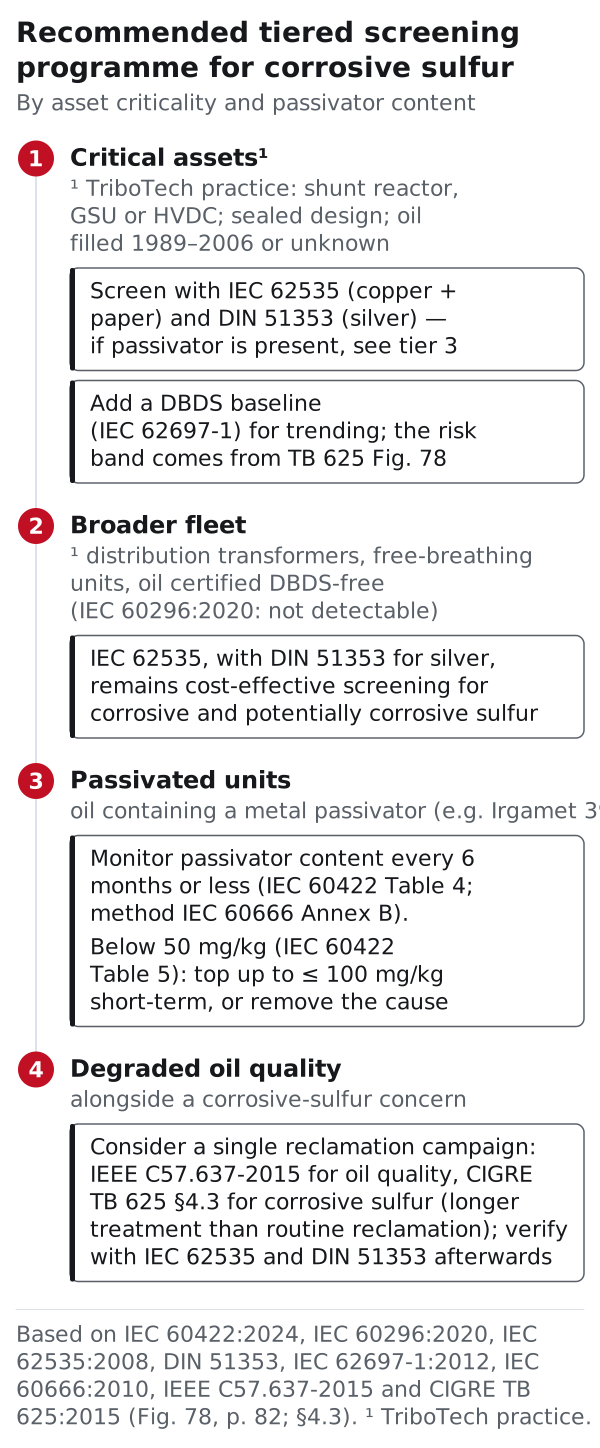
Recommended Tiered Approach
For critical EHV/GSU/HVDC assets and shunt reactors (especially oil filled between 1989 and 2006 or of unknown history, sealed designs): alongside IEC 62535 and DIN 51353, consider adding IEC 62697-1 to establish a DBDS baseline that can be trended and that is not affected by passivator masking. Any detectable DBDS shows that a potentially corrosive compound is present (IEC 60422:2024, 7.19.4); new oil must not contain it at all (IEC 60296:2020: not detectable, < 5 mg/kg). The risk band itself comes from the CIGRE TB 625 flow chart (Fig. 78), which starts from the IEC 62535 result. The DBDS value enters that chart for oils that contain a metal passivator, where DBDS above 20 mg/kg (or total disulfides + mercaptans above 5 mg(S)/kg) moves the unit out of the NULL band. If the oil contains passivator, IEC 62535 can give a false negative (IEC 60296:2020, B.3.1); either remove the passivator first (IEC 60296:2020, B.3, referred to by IEC 60422:2024, 7.19.1) or rely on DBDS and passivator monitoring.
For the broader fleet (distribution transformers, free-breathing units, oil filled after 2006 with DBDS-free certification): IEC 62535, with DIN 51353 for silver, continues to provide cost-effective screening, and IEC 62535 responds to both corrosive and potentially corrosive sulphur.
For any transformer where the oil has been passivated: Add passivator-content monitoring as a standard element of the ongoing maintenance programme, at intervals of six months or less (IEC 60422:2024, Table 4) by the method of IEC 60666:2010, Annex B. A declining passivator trend is among the most actionable early warnings available — it signals that the protective barrier is being consumed and re-dosing is required before the protection is lost.
For units where oil quality has degraded alongside a corrosive-sulphur concern: Consider whether a single reclamation campaign per IEEE C57.637-2015 — appropriately specified to address both the quality-based and sulphur-based objectives — could serve the remediation plan more efficiently than parallel passivation and later reclamation.
7. The Economic Case
The economic argument is simple: testing and mitigation cost little compared with a single transformer failure.
8. Emerging Risks: Silver Corrosion and Climate Impacts
While the DBDS-driven copper corrosion crisis is now well understood and addressed by current standards, two emerging concerns warrant attention from forward-thinking asset managers.
Silver corrosion in tap changers. Silver-plated contacts in On-Load Tap Changers (OLTCs) react with elemental sulphur at temperatures below 80 °C (CIGRE TB 625:2015, Table 1), forming silver sulfide (Ag₂S). DBDS itself can also react with silver-coated tap-changer contacts (IEC 60422:2024, 7.19.4). Irgamet 39 was found inefficient against silver corrosion (CIGRE TB 625:2015, §4.4, p. 81), and silver corrosivity is assessed with DIN 51353 rather than IEC 62535 (IEC 60422:2024, 7.19.1).
Climate-driven acceleration. Because corrosive sulfur reactions accelerate with temperature (approximately doubling every 10°C; CIGRE TB 625:2015, §2.2.1, p. 6), sustained increases in ambient temperature accelerate the degradation timeline for any transformer containing latent DBDS. For heavily loaded transformers in warming climates, higher sustained temperatures shorten the time available for intervention.
9. Key Takeaways for Asset Managers
-
Total sulphur content does not predict corrosive potential. What matters is which sulphur species are present, DBDS in particular (Scatiggio et al. 2009; CIGRE TB 625:2015).
-
DGA rarely warns you. Most copper-sulphide failures were sudden and without prior DGA warning (CIGRE TB 625:2015, Cl. 3). A clean DGA report is no assurance, although DGA signs of overheating do raise the risk (TB 625 Fig. 78).
-
The paper can look mechanically sound while the layers next to the conductor have lost their dielectric properties. DP and furan testing reflect mechanical degradation; copper sulfide causes electrical failure through a different mechanism. Conventional insulation life models may overestimate remaining life in affected units.
-
Passivation works, but it is a commitment. Irgamet 39 provides effective protection in most cases when properly maintained. The key word is "maintained" — passivator concentration must be monitored and re-dosed (or the oil treated) when it drops below 50 mg/kg.
-
Reclamation per IEEE C57.637-2015 is a legitimate remediation route for units where oil quality has degraded alongside the corrosive-sulphur concern — not a universal answer, but a tool that belongs in the toolbox alongside passivation and chemical depolarisation.
-
No treatment reverses existing damage. Passivation, reclamation, and chemical depolarisation prevent further deterioration, but none can extract copper sulfide crystals already embedded in the paper insulation.
-
Test the oil before use. New oil should be independently tested for DBDS and corrosivity before filling any transformer, regardless of supplier certifications. The era of assuming major-brand oil is inherently safe is over.
References
- Scatiggio, F., Tumiatti, V., Maina, R., Tumiatti, M., Pompili, M., & Bartnikas, R. (2009). "Corrosive Sulfur Induced Failures in Oil-Filled Electrical Power Transformers and Shunt Reactors." IEEE Transactions on Power Delivery, vol. 24, no. 3, pp. 1240–1248, July 2009. DOI: 10.1109/TPWRD.2008.2005369.
- CIGRE Technical Brochure 625, Copper Sulphide Long Term Mitigation and Risk Assessment, WG A2.40, 2015.
- CIGRE Technical Brochure 378, Copper Sulphide in Transformer Insulation, WG A2.32, 2009.
- IEEE Std C57.637-2015, IEEE Guide for the Reclamation of Mineral Insulating Oil and Criteria for Its Use (Revision of IEEE Std 637-1985), IEEE Power & Energy Society, 2015. IEEE standards page.
- IEC 62535:2008, Insulating liquids — Test method for detection of potentially corrosive sulphur in used and unused insulating oil.
- IEC 62697-1:2012, Test methods for quantitative determination of corrosive sulfur compounds in unused and used insulating liquids – Part 1: Test method for quantitative determination of dibenzyldisulfide (DBDS).
- IEC 60422:2024 (ED5), Mineral insulating oils in electrical equipment — Supervision and maintenance guidance, IEC TC 10. Supersedes IEC 60422:2013 (ED4).
- IEC 60296 Ed. 5 (2020), Fluids for electrotechnical applications – Mineral insulating oils for electrical equipment.
Disclaimer: This whitepaper is provided for informational and educational purposes by TriboTech ApS. While every effort has been made to ensure accuracy, the information herein does not constitute engineering advice for any specific transformer or installation. Testing and mitigation decisions should be made in consultation with qualified professionals based on the specific circumstances of each asset. TriboTech ApS accepts no liability for actions taken or not taken based on this publication.
Need Help Assessing Your Fleet?
Use our free Duval Diagnostic Tools for DGA analysis, or contact us for a consultation on corrosive sulfur screening and mitigation strategies for your transformer fleet.
For more insights on oil diagnostics, read:
- Navigating the DGA Maze — A guide to IEC vs IEEE standards.
- What Your Transformer Oil Is Telling You — The basics of oil quality testing.
Standards referenced
The methods on this page are anchored in these standards — follow each into our standards library.
Put Theory into Practice
Try our interactive Duval diagnostic tools or use our new unified workflow to analyze your transformer oil data.